Most people assume they’ll feel something before a serious heart issue develops. In reality, heart disease often progresses silently — sometimes for years — before a first event occurs.
For many individuals, the first sign of coronary artery disease isn’t chest pain or fatigue. It’s a heart attack.
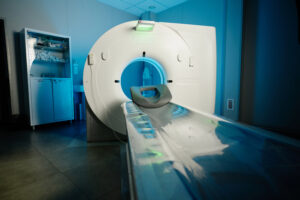
At Invest-Med, preventive screening focuses on identifying risk earlier, before symptoms appear. One of the most effective tools for this is a coronary calcium scan, a specialized CT scan designed to detect calcified plaque in the arteries of the heart.
Table of Contents
ToggleWhat Is a Coronary Calcium Scan?
A coronary calcium scan is a non-invasive CT scan that looks specifically for calcium deposits in the coronary arteries, the vessels that supply blood to the heart.
These calcium deposits are part of plaque buildup, which develops gradually over time and can restrict blood flow or lead to blockages.
As outlined on the Invest-Med heart screening page, these deposits often begin forming years before any symptoms appear, making them a critical marker for early detection.
Why Calcium Matters

Calcium itself isn’t the problem — it’s a signal.
When calcium is present in the coronary arteries, it indicates the presence of atherosclerotic plaque, the underlying cause of most heart attacks. Clinical imaging research shows that detecting calcified plaque allows physicians to estimate cardiovascular risk even before symptoms develop.
In other words, a coronary calcium scan doesn’t just show what’s happening now, it helps forecast potential risk.
The Power of Early Detection

One of the most important advantages of a coronary calcium scan is its ability to detect risk before traditional tests would identify a problem.
Standard stress tests are designed to detect reduced blood flow, which typically occurs later in the disease process. By contrast, calcium scoring can identify plaque years earlier, when intervention strategies are often more flexible.
This aligns with what cardiology research has shown: calcium scoring provides a measurable, individualized way to assess heart disease risk and guide clinical decision-making.
Understanding Your Calcium Score

After the scan, results are reported as a calcium score, which reflects the amount of calcified plaque in the arteries.
At a high level:
- A score of 0 suggests no detectable calcified plaque and a low near-term risk.
- Low to moderate scores indicate early or developing plaque.
- Higher scores suggest a greater burden of plaque and increased cardiovascular risk.
Importantly, your calcium score is not interpreted in isolation. It is evaluated alongside other risk factors such as:
- Family history
- Cholesterol levels
- Blood pressure
- Smoking status
- Metabolic health
This combined view allows for a more accurate understanding of overall risk.
Who Should Consider a Coronary Calcium Scan?

This type of screening is often considered by individuals who:
- Are in their 40s or older and focused on proactive health planning.
- Have a family history of heart disease.
- Have risk factors such as high cholesterol or elevated blood pressure.
- Want a clearer understanding of their cardiovascular risk before symptoms develop.
Guidelines and clinical sources suggest that calcium scoring is particularly useful for individuals whose risk level is uncertain or intermediate, where additional insight can guide next steps.
What the Test Does Not Do
As with any screening tool, it’s important to understand limitations:
- It does not detect all types of plaque (non-calcified plaque may still be present).
- It does not diagnose heart disease on its own.
- It does not replace physician evaluation or other testing.
Instead, it provides objective data that supports more informed clinical decisions.
A Simple, Non-Invasive Process

One of the reasons coronary calcium scans are widely used in preventive care is their simplicity:
- No contrast injection required.
- No downtime.
- Completed in minutes.
- Low radiation exposure relative to many diagnostic scans.
This makes it an accessible option for individuals seeking deeper insight into their cardiovascular health.
A More Complete View of Your Heart Health
While coronary calcium scoring provides valuable insight into calcified plaque, it represents only part of the picture. At Invest-Med, we offer the Coronary CT Angiogram (CCTA) as a more comprehensive approach to cardiovascular screening.
A CCTA not only includes a coronary calcium score, but also allows physicians to visualize both calcified and non-calcified plaque, as well as blood flow through the coronary arteries. This provides a more detailed assessment of cardiovascular health — helping identify potential concerns earlier in their development, often before symptoms such as chest pain or a cardiac event occur.
Rather than waiting for warning signs, advanced imaging like CCTA offers a forward-looking perspective on heart health. When used appropriately, it can support earlier intervention strategies and more informed decision-making, with the goal of reducing the risk of future complications.
Book a consultation with us to help determine whether a Coronary CT Angiogram is appropriate for your health profile and long-term prevention strategy.