CT scans are one of the most common tools used in modern medical imaging. They’re fast, highly detailed, and extremely helpful when it comes to understanding what’s happening inside your body long before symptoms appear — but how much radiation are patients really being exposed to?
Understanding radiation exposure helps you make informed decisions about your health, especially when you’re pursuing preventive screening or exploring diagnostic testing options.
Here’s what you need to know.
Table of Contents
ToggleRadiation Exposure: The Basics
CT scans use ionizing radiation, measured in millisieverts (mSv). An mSv is simply a unit that helps compare exposure from medical imaging to the background radiation we all experience naturally.
To put things into perspective:
- According to the Canadian Nuclear Safety Commission (CNSC), the average Canadian is exposed to about 1.8 mSv of natural background radiation every year (from the ground, the atmosphere, and daily life).
- A CT scan typically ranges from 1–10 mSv, depending on the type of exam and the area of the body being imaged.
These amounts are well-studied, standardized, and monitored. CT technology continues to improve, allowing scans to be performed with lower doses and higher accuracy than ever before.
Typical CT Scan Dose Ranges
Since each exam is customized to the patient and the clinical question, radiation dose can vary. But here are approximate ranges for common CT scans:
- Head CT: ~1–2 mSv
- Chest CT: ~5–7 mSv
- Abdomen & Pelvis CT: ~6–8 mSv
- Coronary Calcium Score: ~1–2 mSv
- Low-Dose Lung Screening CT: ~1–1.5 mSv
- CT Colonography (Virtual Colonoscopy): ~5–6 mSv
These numbers offer a frame of reference, but your exact dose depends on factors like your body size, the scanner settings, and the level of detail your physician needs.
Typical dose ranges are based on estimates published by RadiologyInfo, a patient education resource from the Radiological Society of North America and the American College of Radiology.
Why CT Scans Use the Amount of Radiation They Do
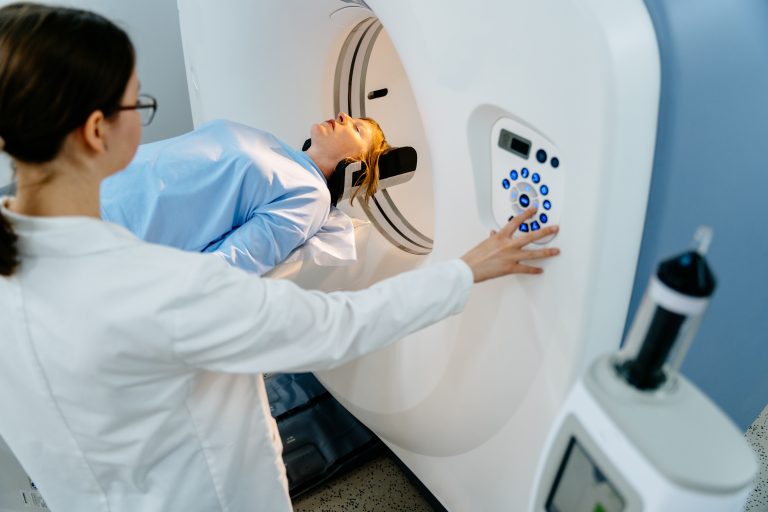
CT scans are designed to balance clarity with safety. To create a highly detailed, 3D view of internal structures, the scanner captures multiple cross-sectional images in a matter of seconds.
Modern CT systems, including those used at our partner imaging centers, use techniques that keep dose as low as possible. such as:
- Automatic exposure control, adjusting radiation based on body size.
- Iterative reconstruction software, which enhances image quality at lower doses.
- Protocol optimization, ensuring only the necessary area is scanned.
These approaches are part of the internationally recognized ALARA (As Low As Reasonably Achievable) principle, a standard followed across Canada to minimize radiation exposure. With this in mind, modern CT systems utilize dose-reduction tools such as iterative reconstruction and automated exposure control, consistent with guidance from the U.S. FDA.
Putting CT Scan Radiation in Perspective
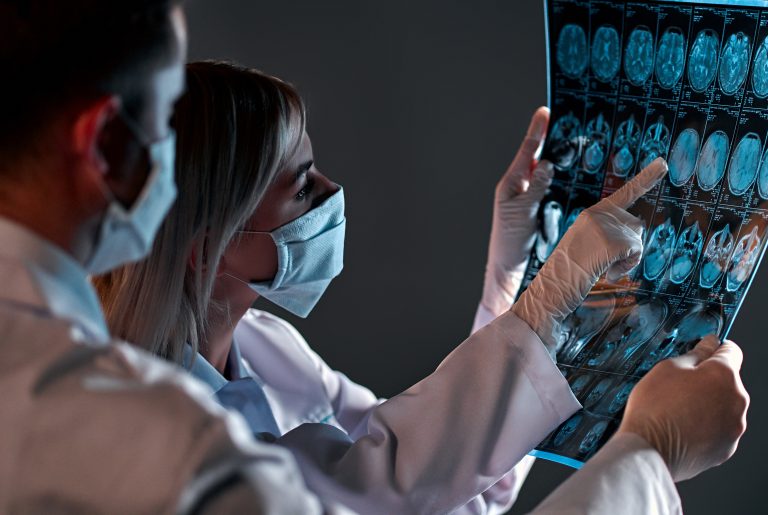
It’s natural to feel uncertain when you hear the word “radiation.” But context helps:
- A head CT is roughly equal to several months of natural background exposure.
- A chest CT is similar to what you’d receive over a couple of years in the environment.
- Many preventive CT exams, such as cardiac calcium scoring or low-dose lung screening, involve very low levels of radiation relative to their diagnostic value.
For most people, the clinical insight gained from a CT scan far outweighs the small amount of radiation involved. What matters most is using imaging thoughtfully and making sure each scan has a clear purpose.
How Invest-Med Approaches CT Scan Safety
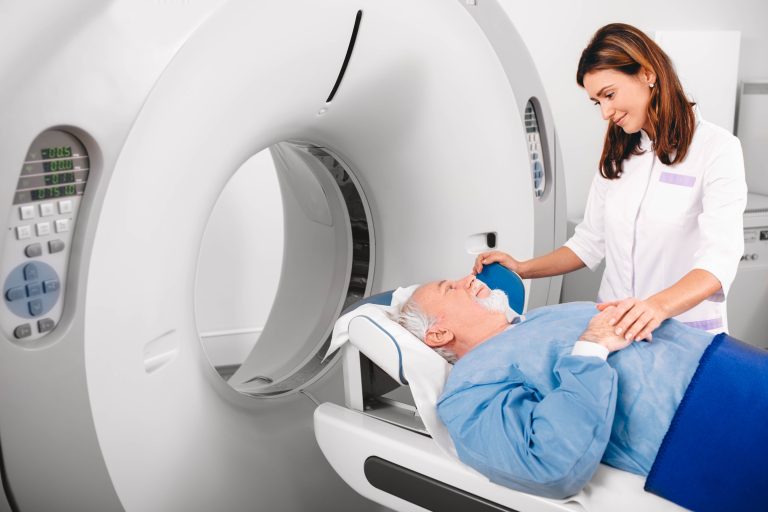
At Invest-Med, imaging is never ordered automatically. Your testing plan is tailored to your history, your risk profile, and the answers you’re looking for. When a CT scan is recommended, it’s because the result may:
- Provide clarity on a potential concern.
- Offer insight into early changes not visible through other methods.
- Support preventive decision-making.
- Guide follow-up testing or complementary imaging.
All CT scans are performed through accredited Canadian imaging facilities following strict safety standards. Results are interpreted by Canadian physicians specializing in preventive and diagnostic medicine, ensuring every finding is examined through a clinical lens, not just a technical one.
What This Means for Your Preventive Journey
Radiation exposure is a common concern, but CT scans remain one of the most reliable tools for early detection. Used thoughtfully, they can reveal meaningful insights into your health long before symptoms begin.
And with Invest-Med’s approach — early access, physician-guided testing, and personalized interpretation — you gain clarity quickly, without needing a referral.
If you have questions about whether CT imaging is right for you, your Invest-Med physician is there to explain your options and guide your next steps.
Get Answers Without the Wait
Whether you’re exploring preventive screening or looking for clarity about your health, Invest-Med offers speed, precision, and physician-led guidance across our Kelowna, Calgary, and Vancouver locations.
Book your consultation today to learn which tests are best suited to your goals and get the insight you need, in weeks, not years.